

Reviewed · PETRA TOURS
From Amman: Petra, Wadi Rum & Dead Sea 3-Day Tour
Jordan packs an astonishing amount into three days: Byzantine mosaics, a Crusader fortress, Petra’s rose-colored cliffs, Wadi Rum’s red desert, and the Dead Sea. I especially like the wide range of sights and the fact that a private driver can adjust the pace. The small-group format also gives you more room than a standard coach trip.
I like the thoughtful route through Madaba, Mount Nebo, and Shobak Castle, rather than rushing straight to Petra. The main thing to watch is the price structure: the advertised $269 covers transport and hotel pickup, but several major items, including Petra entry, the jeep ride, Dead Sea access with lunch, and possibly accommodation, are listed as add-ons. Confirm the final cost before you commit.
Key points to know before booking
- Petra gets a full exploration day: You walk through the Siq, see the Treasury, and have time for tombs, temples, dwellings, and the optional Monastery hike.
- The route includes more than the headline sights: Madaba’s sixth-century map, Mount Nebo, and Shobak Castle add religious and military history to the trip.
- Wadi Rum includes a two-hour 4×4 ride: Expect sandstone mountains, dunes, ancient inscriptions, and a desert camp if you choose that overnight option.
- The tour is flexible: You can arrange an Aqaba overnight stay instead of Wadi Rum, skip the glass-bottom boat, or spend longer at places that interest you.
- Drivers are a major part of the experience: Mahmoud Awad, Shadi, Anas, Saed, and Mustafa are among the drivers praised for punctuality, care, local tips, and help with arrangements.
- Check what is included: Entry fees, a local Petra guide, the 4×4 safari, Dead Sea access with lunch, and Wadi Rum accommodation are shown as optional additions.
Why this three-day Jordan route works
This is a smart route for you if you have only a long weekend and want to see Jordan’s essential southern sights from Amman. The itinerary moves south in a logical line, then returns by way of the Dead Sea. You avoid arranging separate taxis, hotels, and intercity transfers, which can be a real burden when the stops are spread across the country.
The trip is also more than a Petra visit with a quick desert add-on. Madaba gives you early Christian art, Mount Nebo adds a biblical viewpoint, and Shobak Castle brings medieval military history into the picture. By the third day, the pace shifts from ruins to open desert and mineral water.
Still, this is a busy three days. You spend a good deal of time on the road, and several stops are large enough to deserve more time than the schedule can provide. If you like slow mornings, long meals, or detailed archaeological study, you may find the route hurried. If you want a broad first look at Jordan, the packed schedule is part of its value.
More days by the water from Jordan:
- Amman: Petra, Wadi Rum, and Dead Sea 2-Day Tour
★ 4.9 · 1,173 reviews - 2-Day Tour: Petra, Wadi Rum, and Dead Sea from Amman
★ 5.0 · 1,141 reviews - 2-Day Petra, Wadi Rum and Dead Sea Tour from Amman
★ 5.0 · 467 reviews
Day one: Madaba mosaics and Mount Nebo views
Your first morning begins with pickup in Amman and a southbound drive. The plan suggests a quick breakfast of pita and hummus, so do not expect a leisurely café morning. The air-conditioned vehicle, onboard water, and WiFi make the long drives easier, especially when the day includes several stops.
Madaba is the first major pause. The city is known for Byzantine mosaics, most famously the sixth-century Madaba Map, which depicts the Holy Land. This is a small but important piece of early Christian art. Look closely at the detail and remember that the map is not simply decoration. It shows how people once pictured the region’s roads, towns, rivers, and holy places.
I like Madaba because it gives you a cultural frame for the rest of the trip. Petra and Wadi Rum are visually dramatic, but Madaba asks you to slow down and look carefully. Your time here may be limited, so ask your driver how long you have before setting off again.
From Madaba, you climb Mount Nebo. According to tradition, this is where Moses saw the Promised Land. The main reward is the view across the Jordan Valley and the land beyond it. Weather and haze will affect what you can see, but the hilltop setting makes this a meaningful stop even if the panorama is not perfectly clear.
Dress modestly at religious sites, and bring a hat and sunscreen. Mount Nebo can feel exposed, with little shade while you look around. Comfortable shoes matter here and at every later stop.
Shobak Castle brings the Middle Ages into view
Shobak Castle is one of the more unusual stops on the route. Its rough stone walls and high position recall the Crusader period, when fortified places controlled roads and watched over passing movement. The castle was also connected with Ayyubid and later Mamluk power, giving the site a longer story than its Crusader label suggests.
You can climb stone steps, explore passageways, and look across the surrounding Jordanian countryside. This is not a polished museum experience. Expect weathered masonry, uneven footing, and a sense of scale that comes from standing inside a fortress built for defense rather than comfort.
I like the contrast with Madaba. The morning begins with delicate mosaic work, then shifts to thick walls and military planning. The drawback is that Shobak may feel spare if you want extensive signs or a large collection of objects. Your driver can add useful context, but this trip does not promise a dedicated historian at every site.
After Shobak, you continue to Wadi Musa and stay near Petra. The overnight location matters. A hotel in Petra gives you a chance to rest before the next day, but accommodation arrangements need special attention because the information for this experience says you may need to arrange your Petra stay yourself.
Day two: enter Petra through the Siq
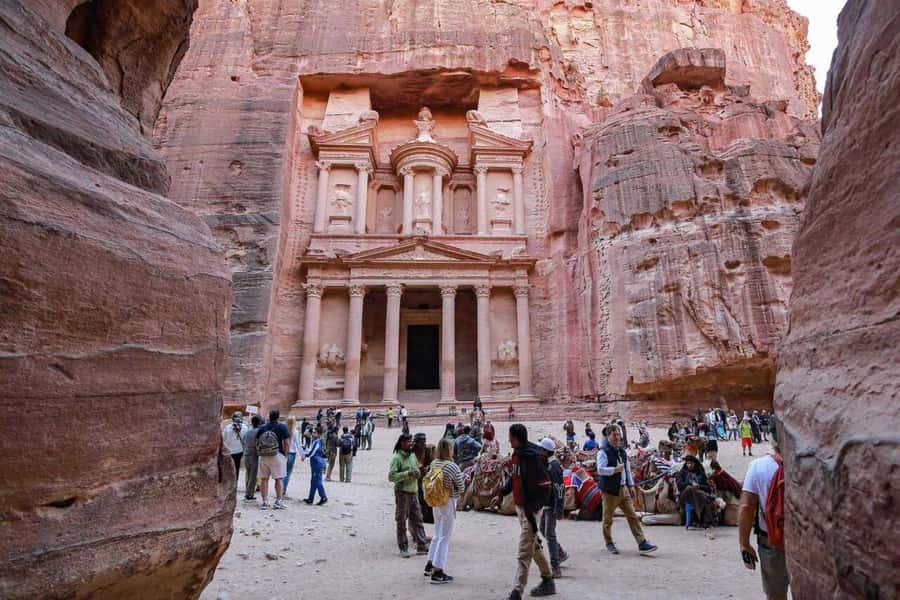
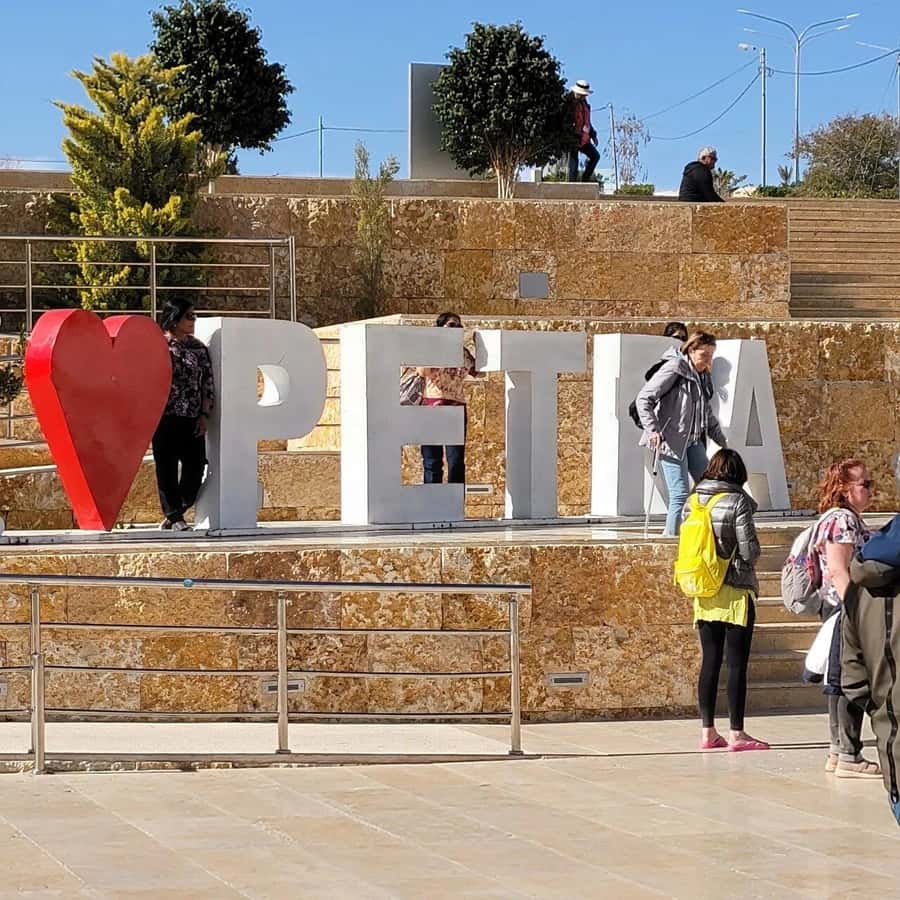
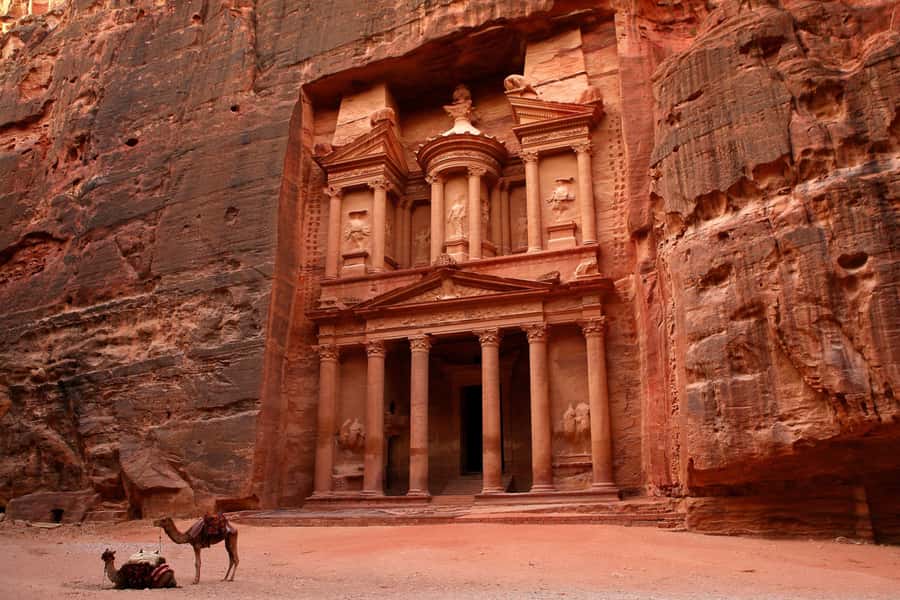
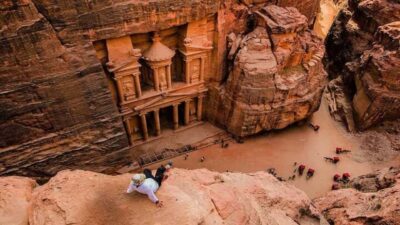
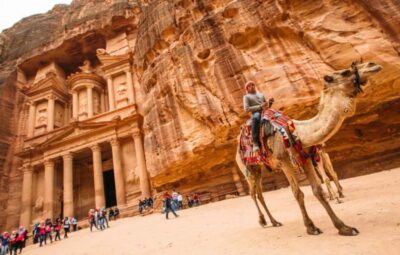
Start early for Petra. The ancient Nabataean city is the centerpiece of the trip, and it rewards an unhurried morning. You begin through the Siq, a narrow gorge whose walls lead you toward the Treasury. The first sight of the carved facade is one of Jordan’s great travel moments because the monument appears at the end of a natural corridor.
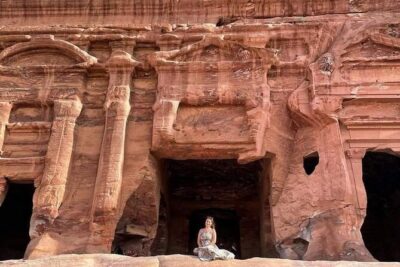
Do not stop at the Treasury and assume you have seen Petra. The site continues into a broad area of tombs, temples, dwellings, and carved facades. The Nabataeans shaped a major city from the cliffs, and the scale becomes clearer as you walk farther into the complex.
A two-hour local Petra guide is available as an add-on. I consider that a useful choice if you want the story behind the buildings rather than only photographs. Afterward, you can continue at your own pace, depending on the time and your energy.
The optional hike to the Monastery is the biggest physical challenge in the stated Petra plan. It offers a dramatic destination and broader views, but you should not treat it as a quick side trip. Ask your driver or local guide how much time remains before you begin. Good shoes, water, a hat, and sun protection are essential.
Petra can be tiring because of the walking, heat, steps, and uneven ground. Build in pauses. The purpose of a private arrangement is not to race from one viewpoint to the next. Use the flexibility to focus on the places that interest you most.
Other desert days out of Jordan:
- From Amman: Petra & Wadi Rum Private or group Day Tour
★ 4.9 · 750 reviews - From Amman: Petra and Wadi rum Full day Tour
★ 5.0 · 538 reviews - 3-Day Private Tour from Amman: Petra, Wadi Rum, Dana, Aqaba, and Dead Sea
★ 5.0 · 425 reviews - Wadi Rum Full Day Jeep Tour + Overnight & Dinner in Bedouin Camp
★ 5.0 · 368 reviews
Little Petra offers a quieter second look
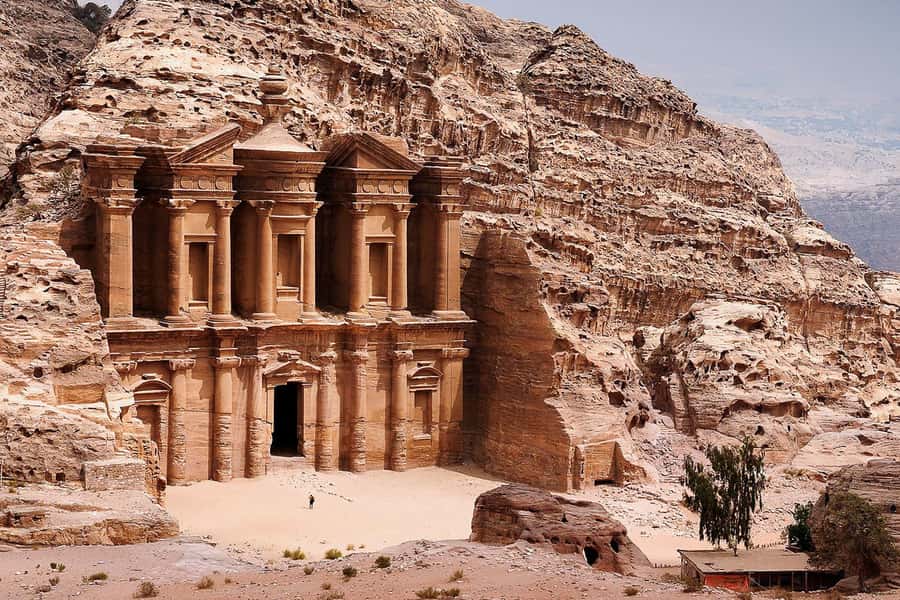
In the afternoon, the route takes you to Little Petra. It is smaller than the main city, but that is precisely why it works well after a long morning. The narrow passage and carved spaces offer a more compact look at Nabataean life and building methods.
Little Petra is not a replacement for Petra. Think of it as a useful companion stop. You get another view of how the Nabataeans worked with sandstone, without the same scale as the main site. Time your visit carefully, since the itinerary calls for leaving before sunset and continuing to Wadi Rum.
Day two night: choose your desert experience
The standard plan sends you to Wadi Rum for the night. Accommodation with dinner and breakfast is listed as an add-on, so confirm whether a desert camp is part of your chosen package. If it is not, you may need to arrange the overnight stay separately.
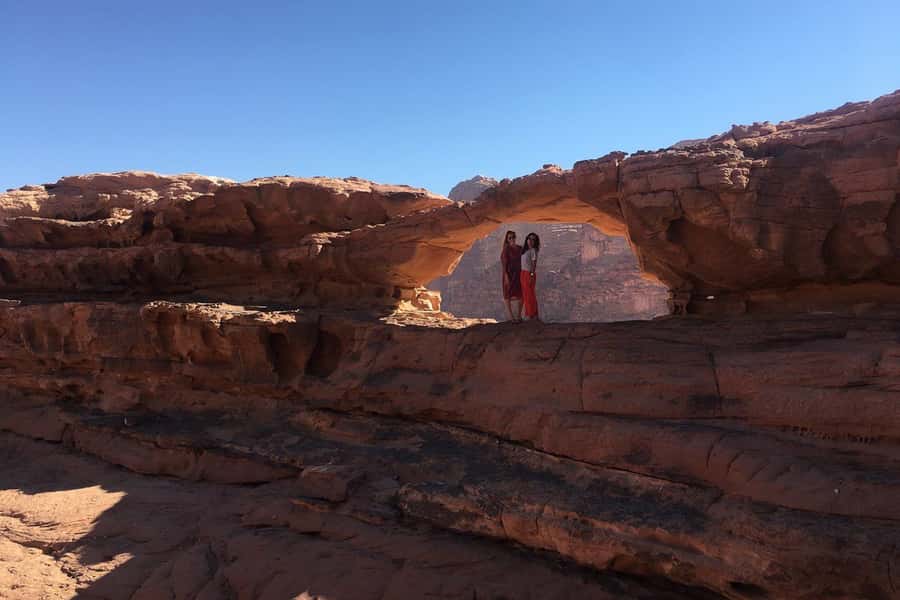
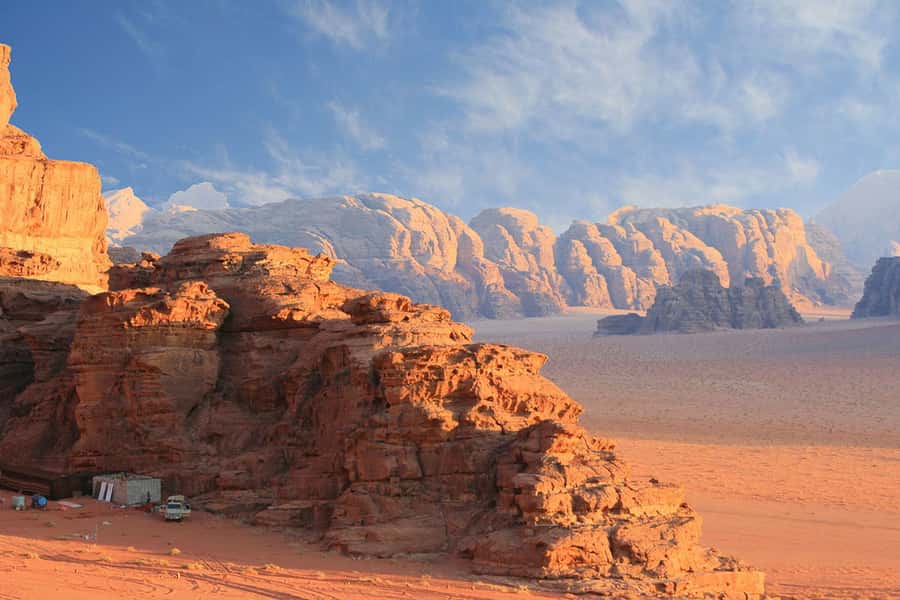
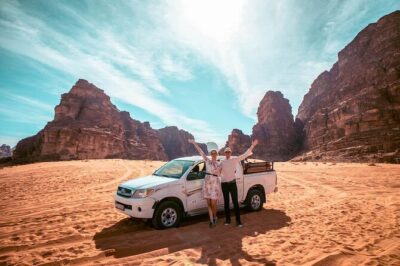
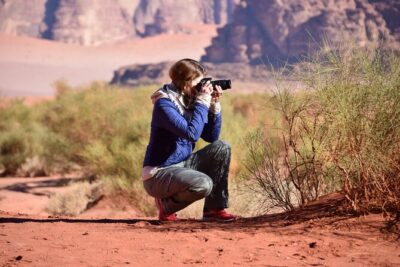
Wadi Rum is often called the Valley of the Moon, and the name makes sense once you see the broad desert floor framed by sandstone mountains. This is not a place to rush through with a quick photograph from the roadside. The open space, rock formations, dunes, and old inscriptions create a different mood from Petra’s crowded stone corridors.
A desert camp can give you a memorable evening, but the exact comfort level is not specified. Ask what accommodation includes before paying. Dinner and breakfast are listed as available additions, not automatic parts of the $269 base price.
The itinerary also allows an overnight stay in Aqaba instead of Wadi Rum. That may suit you if you prefer a city and the Red Sea to a desert camp. It does mean giving up some of the desert atmosphere, so make the choice based on your priorities rather than treating the two options as interchangeable.
Day three: two hours across Wadi Rum
The morning includes a two-hour 4×4 safari through Wadi Rum. You travel across sand and open desert, passing sandstone formations, dunes, and ancient inscriptions. The jeep ride is the right way to cover more ground than you could on foot, while still giving you time to stop and look.
The safari is listed as an add-on, so check that it appears in your final booking. The same applies to the desert accommodation. These extras can change the real cost substantially, but they also make up much of what people picture when they imagine Wadi Rum.
A driver named Anas has been especially praised for pointing out rock carvings, including a stone passage associated with T. E. Lawrence. That kind of local attention can make a difference in a large desert area, where a casual visitor could easily pass interesting details without noticing them. Your assigned driver may be someone else, so ask who will accompany you and what guiding is included.
Aqaba adds a Red Sea option
After Wadi Rum, the route continues to Aqaba. You can explore the port city, or choose an optional glass-bottom boat tour to see coral reefs and marine life. The boat option is best for you if you want a short change from ruins and desert, but it should not be confused with a full day at the coast.
The itinerary gives you flexibility here. You can skip the boat, spend time in the city, or choose Aqaba as your overnight base instead of Wadi Rum. Ask about timing, since the final Dead Sea stop and return to Amman still lie ahead.
Floating in the Dead Sea
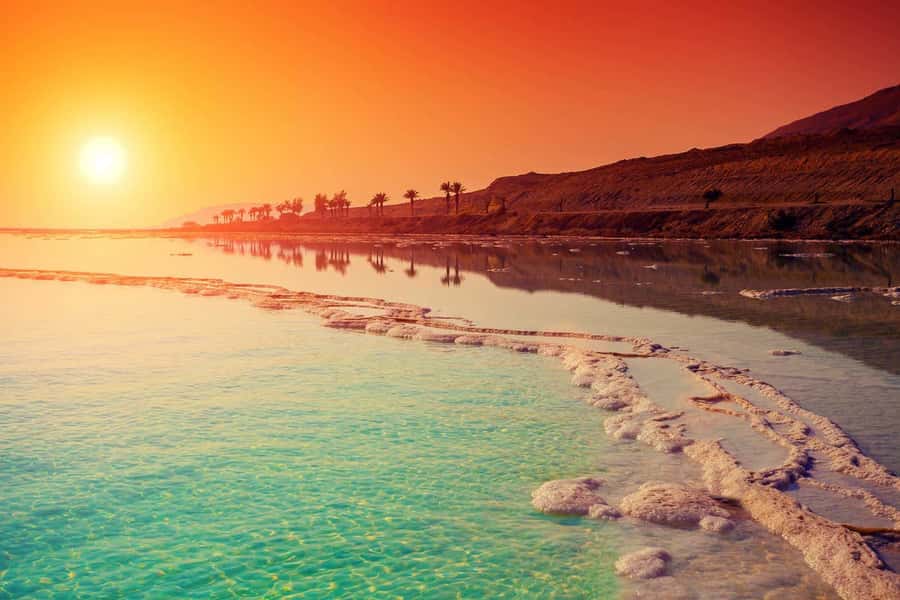
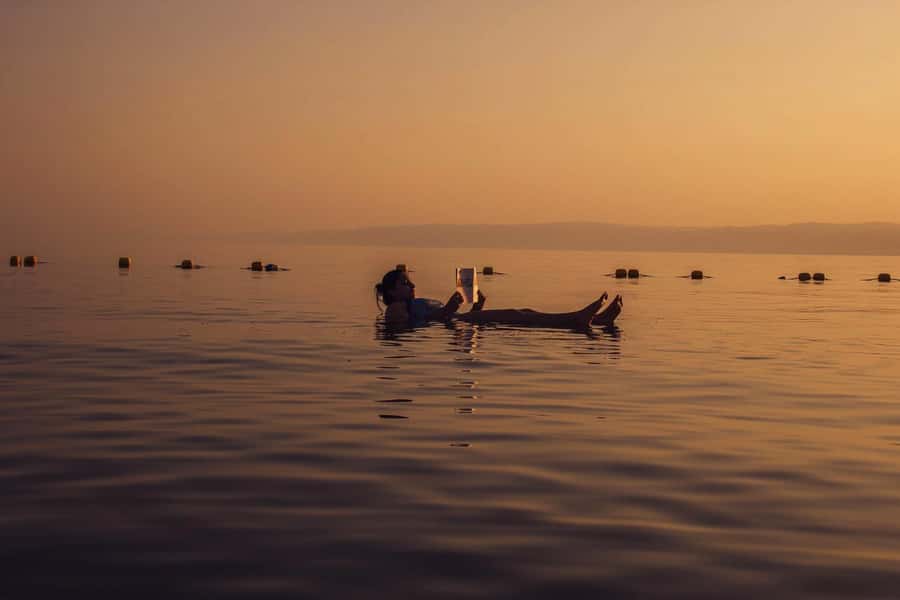
The trip ends with a stop at the Dead Sea, the lowest point on Earth. Access is through a hotel such as the Crowne Plaza or Holiday Inn, with entry fees and lunch listed as available additions. Confirm which hotel and services are included before you set out.
The water’s high mineral content makes floating easy, but you should follow basic care around the sea. Avoid getting the water in your eyes, and do not treat the stop as a normal swim. The shore also has a distinctive salt-marsh ecosystem, so take a moment to notice the setting beyond the famous floating photograph.
I like ending here because it changes the tone of the trip. After three days of stone steps, desert roads, and ancient sites, you get a quiet pause before the drive back to Amman. The limitation is timing. This is a final stop on a long return day, not a full resort stay.
Drivers, private travel, and the human side
The strongest part of this experience is the driver service. The trip is described as private, with you and your driver rather than a large group. That makes it easier to stop for views, adjust the day, and ask for help with meals or activity arrangements.
Drivers named Mahmoud Awad, Shadi, Anas, Saed, and Mustafa have been praised for punctuality, kindness, local explanations, and practical advice. Mahmoud Awad is also noted for helping arrange activities and adjusting timing. Anas has 17 years of guiding experience and adds stories about Jordanian culture, Petra, Wadi Rum, Madaba, and local food.
The role is still primarily transport and coordination unless you add a local Petra guide. You should not assume every driver provides a full formal tour at each site. Ask direct questions about guiding, entrance tickets, and how much free time you will have.
One practical warning: souvenir-shop stops can be uncomfortable if you did not request them. Tell the driver clearly if you prefer to spend that time at a historical site, café, or viewpoint instead.
Is $269 good value?
At $269 per person, the base price is attractive for a three-day route with air-conditioned transport, hotel pickup and drop-off, an English-speaking driver, WiFi, and water. Covering Amman, Petra, Wadi Rum, Aqaba, and the Dead Sea independently would require more planning and several transfers.
The important catch is the list of additions. Petra entry, the two-hour 4×4 ride, Dead Sea entry with lunch, a two-hour Petra guide, and Wadi Rum accommodation with dinner and breakfast are all shown as available add-ons. The headline price may therefore not be the final amount for the complete experience.
I would ask for one written total covering your preferred version of the trip. Include Petra entry, the local guide, jeep safari, hotel or camp nights, meals, Dead Sea access, and any Aqaba activity. That single question will tell you more than the starting price.
Who should book this trip?
This route suits you if you want Jordan’s major southern sights in a short period and prefer one driver to handle the roads. It is also a good fit for solo visitors, couples, and families who value flexibility over a fixed large-group schedule.
You should be comfortable with early starts, long drives, uneven paths, desert heat, and a full day at Petra. The Monastery hike is optional, which helps, but Petra still demands walking.
If you want a slower cultural trip, stay longer in Petra or split the route over four or five days. If your time is tight, this three-day plan gives you a strong first look, provided you confirm the add-ons and your overnight arrangements.
Should you book it?
Book this tour if you want an efficient private route with a driver who can help shape the days. The combination of Petra, Wadi Rum, the Dead Sea, Madaba, Mount Nebo, and Shobak is hard to match in three days.
Before paying, confirm the final price, your Petra hotel, the Wadi Rum accommodation, and every entrance fee. Also ask whether you will have a local guide in Petra and whether the Aqaba boat is included. With those details settled, this is a practical, high-value introduction to Jordan rather than a bare-bones transfer service.
FAQ
How long is the tour?
The experience lasts three days and begins and ends in Amman.
Is hotel pickup included?
Yes. Hotel pickup and drop-off are included.
Is the vehicle air-conditioned?
Yes. Transportation is provided in an air-conditioned vehicle.
Is the tour private?
The experience is presented as a private trip, with the driver accompanying you rather than a standard large group.
Is an English-speaking driver included?
Yes. An English-speaking driver is included. Arabic and English are listed as the available languages.
Is Petra entry included in the $269 price?
Petra entry is listed as an available add-on, so you should confirm whether it is included in your selected package.
Is a local Petra guide included?
A two-hour Petra local guide is listed as an available add-on rather than a standard inclusion.
Is the Wadi Rum jeep ride included?
The two-hour 4×4 safari is listed as an available add-on. Confirm this before booking.
Where do you stay at night?
The route plans an overnight stay near Petra on the first night and a Wadi Rum desert camp on the second night, but Wadi Rum accommodation with dinner and breakfast is listed as an add-on. You may also choose to stay overnight in Aqaba instead of Wadi Rum.
Is Dead Sea access with lunch included?
Dead Sea entry fees with lunch are listed as an available add-on. The stop is arranged through a hotel such as the Crowne Plaza or Holiday Inn.
Can the itinerary be changed?
Yes. The itinerary can be adjusted to your interests. Options include staying overnight in Aqaba instead of Wadi Rum, skipping the glass-bottom boat, or spending more time at selected stops.
What should you bring?
Bring your passport or ID card, comfortable shoes, comfortable clothing, sunscreen, and a hat. Dress modestly at religious sites.
More Petra tours from Jordan
- Petra Full-Day Private Tour from Amman
★ 4.9 · 392 reviews - Petra & Wadi Rum: Full Day Private Tour with Hotel Pickup
★ 4.9 · 310 reviews - Amman Petra Full-Day Trip
★ 5.0 · 270 reviews - Lasting memories in Petra & Jordan
★ 5.0 · 270 reviews
Just added in Jordan
- From Wadi Rum: 2-Day Hiking Adventure and Jeep Tour★ 4.8 · 3 reviews
- From Amman: Madaba, Mount Nebo, & Dead Sea Day Tour★ 4.8 · 12 reviews
- 3 Days Private Tour in Jordan: Discover The Best of Jordan.★ 5.0 · 13 reviews
- Petra And Little Petra Full Day Tour From Amman★ 5.0 · 11 reviews
- From Jerusalem: Petra, Wadi Rum & Aqaba 2-Day Glamping Tour★ 4.3 · 19 reviews
- From Amman :Private day tour to Jerash and Ajloun★ 5.0 · 22 reviews
- Suhaila (connecting through cooking)★ 4.5 · 24 reviews
- Private Day or Night Amman Sightseeing★ 4.2 · 21 reviews
Petra Tours, compared.
3-Day Private Tour from Amman: Petra, Wadi Rum, Dana, Aqaba, and Dead Sea
Read our review →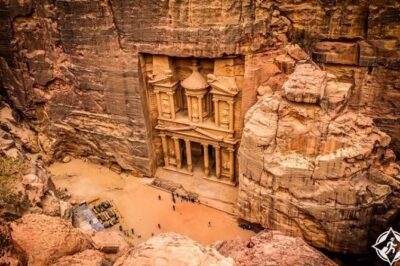
Petra & Wadi Rum: Full Day Private Tour with Hotel Pickup
Read our review →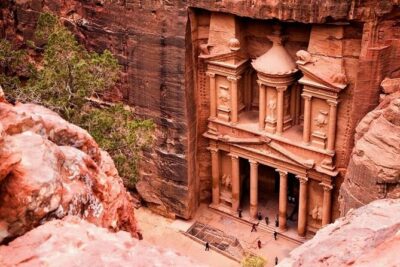
Browse the lists this tour appears in