
Reviewed · DESERT CASTLE TOURS
From Amman: Umayyad Desert Castles Tour with Transfer
Jordan’s Umayyad desert castles offer a fine change of pace from Amman’s busy streets and better-known sights. At Quseir Amra, you’ll find an eighth-century bathhouse with remarkable frescoes, while Azraq gives you a sturdy black basalt fort tied to Lawrence of Arabia. The sites are small, atmospheric, and far less crowded than Petra.
I like this tour for two clear reasons: transport is handled from your Amman hotel, and the long drive becomes part of the lesson as your driver explains Jordan along the way. I also like the quiet setting. The main drawback is that the advertised professional driver is not always a formal guide, so the amount of site-by-site explanation can depend on who drives you.
Key points
- Quseir Amra’s painted interior: See early Islamic frescoes influenced by Persian and Graeco-Roman art.
- Azraq’s black basalt fort: Visit the Roman-era stronghold used by Lawrence of Arabia during the Arab Revolt.
- A useful half-day from Amman: The six-hour schedule lets you see a very different side of Jordan without changing hotels.
- Comfortable private-style transport: Travel in a new, air-conditioned vehicle with hotel pickup and drop-off.
- Drivers can shape the experience: Omar, Mohammed, Tasir, Salim, and others have been praised for their driving and local commentary, but a dedicated guide is not included.
- Quiet desert sites: You may have room to explore and take photographs without the crowds found at Petra or Jerash.
Why the Eastern Desert deserves your time
Most first-time visits to Jordan focus on Amman, Petra, Wadi Rum, and the Dead Sea. Those are sensible choices, but the Eastern Desert gives you a different view of the country. Here, low stone buildings and old forts appear against wide, spare stretches of desert.
The word castle can mislead you. These Umayyad structures were not all grand defensive palaces. They served as caravan stations, agricultural centers, trade posts, hunting lodges, meeting places, and small outposts. Their remote locations helped early rulers maintain contact with local Bedouin communities and control movement across the region.
You will not spend hours at each stop. That is part of the appeal. The tour offers a compact look at several sites, then returns you to Amman in time for the rest of your day. If you want a major archaeological complex with hours of walking, this is not that kind of outing. If you want unusual ruins, desert scenery, and early Islamic art without packing for an overnight trip, it fits well.
More of the eastern desert from Amman:
- From Amman: Desert Castles of Eastern Jordan Tour
★ 4.8 · 53 reviews - From Amman: Full-Day tour Amman city tour and desert castles
★ 5.0 · 23 reviews - Private Tour of Desert Castles Eastern Jordan with optional Azraq Wetland Visit
★ 4.5 · 21 reviews
Leaving Amman for the Umayyad sites
Pickup takes place at your hotel in Amman. Your driver is expected to meet you in the lobby with a sign showing your last name, a simple arrangement that matters when you are leaving early or staying in a large hotel.
The vehicle is air-conditioned and described as new. That is valuable here because the route covers a long distance and the desert sun can be strong even when the air feels mild. Recent passengers have specifically praised the comfort of Mercedes vehicles and the professional driving.
The drive is not dead time. Drivers such as Omar, Mohammed, and Tasir have provided useful explanations about Jordan, local areas, and the sites ahead. Salim was praised for clear communication, while one passenger enjoyed an unplanned stop for knafeh on the return journey. These details suggest that the driver can add warmth and local color to a schedule that otherwise consists of roads and ruins.
Still, set your expectations correctly. A professional English-speaking driver is included, but a separate tour guide is not. Some drivers give substantial historical commentary. Others may mainly handle transport. One booking described the absence of a dedicated guide as a disappointment, especially because the tour description suggested an English-speaking guide. If detailed interpretation is essential to you, confirm this point before paying.
Quseir Amra and its remarkable frescoes
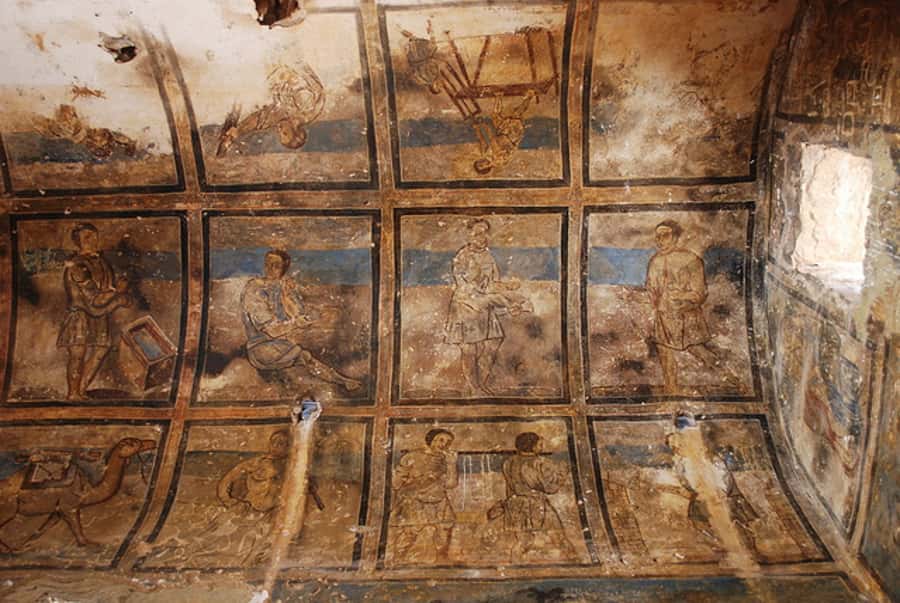
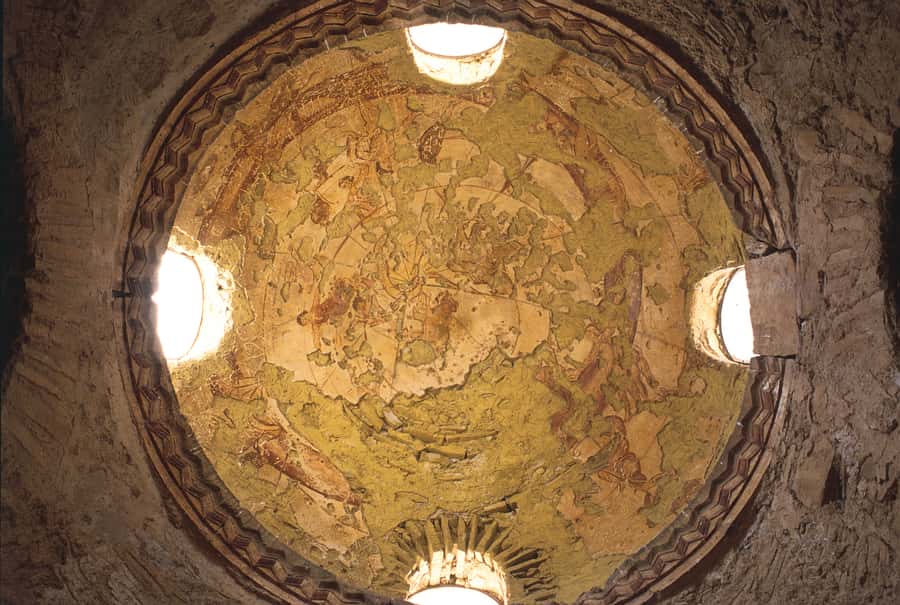
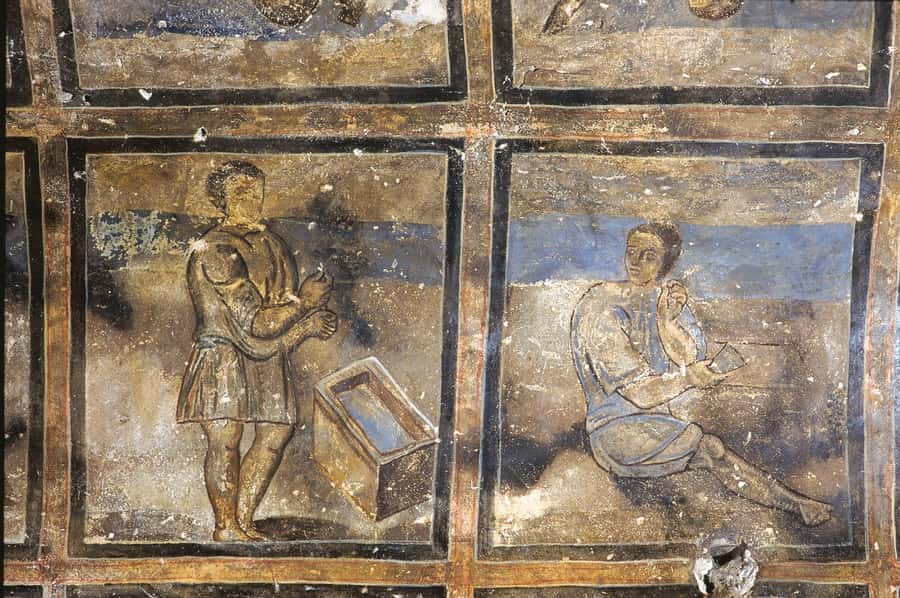
Quseir Amra is the artistic centerpiece of the outing. It is a UNESCO World Heritage Site and one of the best-known examples of early Islamic art in Jordan.
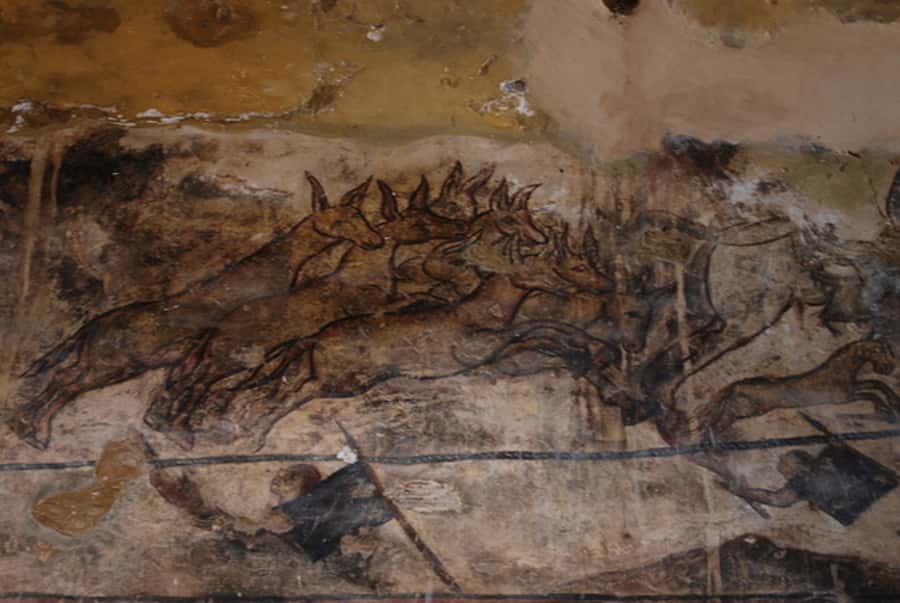
The building is not impressive because of its size. Its importance lies inside. The walls contain frescoes, along with stone and stucco decoration, showing how Umayyad artists drew on Persian and Graeco-Roman traditions. These paintings offer glimpses of courtly life, entertainment, power, and the visual language of the eighth century.
You should pay attention to the contrast between the plain desert outside and the decorated interior. The building’s setting can make the paintings feel even more surprising. This was not a vast city or a monumental capital. It was a remote desert complex where art and leisure were brought together.
The visit is relatively quick, which suits the six-hour format. You can examine the rooms, look closely at the surviving decoration, and hear the basic story of the site without committing a full morning to one ruin. The short stop also means you may want to move at a steady pace rather than lingering over every detail.
Bring sunglasses and a sun hat for time outside, but remember that your best attention should be reserved for the interior paintings. Comfortable shoes are also sensible. The tour includes entrance fees, so you do not need to arrange admission separately.
The other Umayyad desert structures
The tour is described as visiting the Umayyad Desert Castles in the plural, with several structures included in the route. Their uses varied, and that variety is what makes the outing more interesting than a simple series of similar ruins.
Some complexes served as stops along desert routes. Others supported farming and trade. A few acted as private retreat spaces or meeting points. Their walls and rooms help explain how rulers based in distant cities maintained links with the people and routes beyond the main centers of power.
Do not expect each stop to have the same level of preservation as Quseir Amra. Some are more skeletal, with walls and courtyards that require imagination. That can be rewarding if you enjoy reading ruins, but less satisfying if you want polished monuments or a large museum collection.
The guide arrangement matters most at these sites. A good explanation can turn a bare wall into evidence of water storage, trade, defense, or desert administration. Without much commentary, you may still enjoy the setting, but the structures can blur together. I would ask at pickup which stops are planned and how much interpretation your driver normally provides.
A few more things to do in Amman worth a look
- Jordan Tour: Private Driver – Luxurious car
★ 5.0 · 88 reviews - Amman Airport Private Arrival Transfer
★ 4.5 · 72 reviews - Amman Airport Transfer vice versa
★ 5.0 · 65 reviews - Airport pickup or drop off transfer from or to Amman city
★ 5.0 · 59 reviews
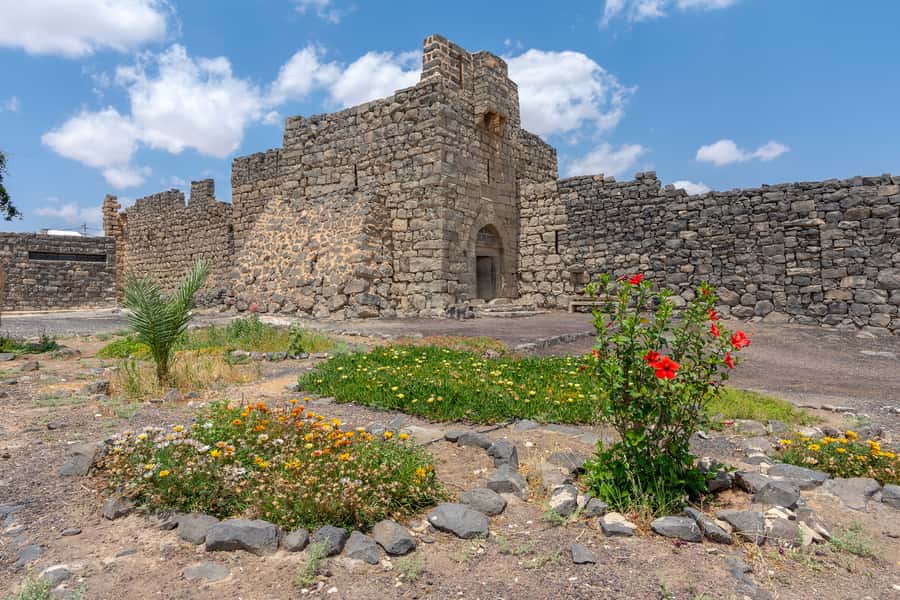
Azraq Fort, built from black basalt
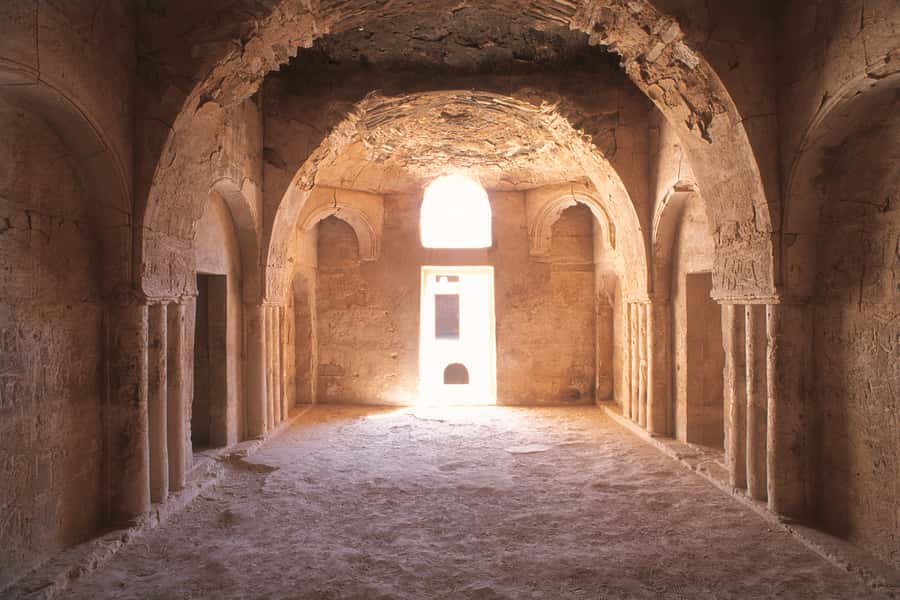
Azraq Fort gives the tour a different mood. Built from dark black basalt, the fort has a heavier, more defensive look than the painted Quseir Amra complex.
The site had been in use since late Roman times and continued to serve military purposes across later periods. Its connection with Lawrence of Arabia adds a modern historical layer: the fort served as his headquarters during the Arab Revolt.
That association should not overshadow the fort itself. The basalt construction, long use, and position in the Eastern Desert make it a useful reminder that these routes mattered for centuries. The fort was not simply an isolated ruin. It belonged to a chain of movement, defense, and regional control.
Azraq also helps break up the artistic focus of the day. At Quseir Amra, you look inward at delicate paintings. At Azraq, you read the site through thick stone, gates, walls, and military purpose. The contrast gives the itinerary a welcome rhythm.
As with the other stops, allow time to walk and look carefully. The ground may be uneven, so firm shoes are a good idea. You will also spend time in direct sun, making water, sunglasses, and a hat practical rather than optional.
What the six-hour schedule feels like
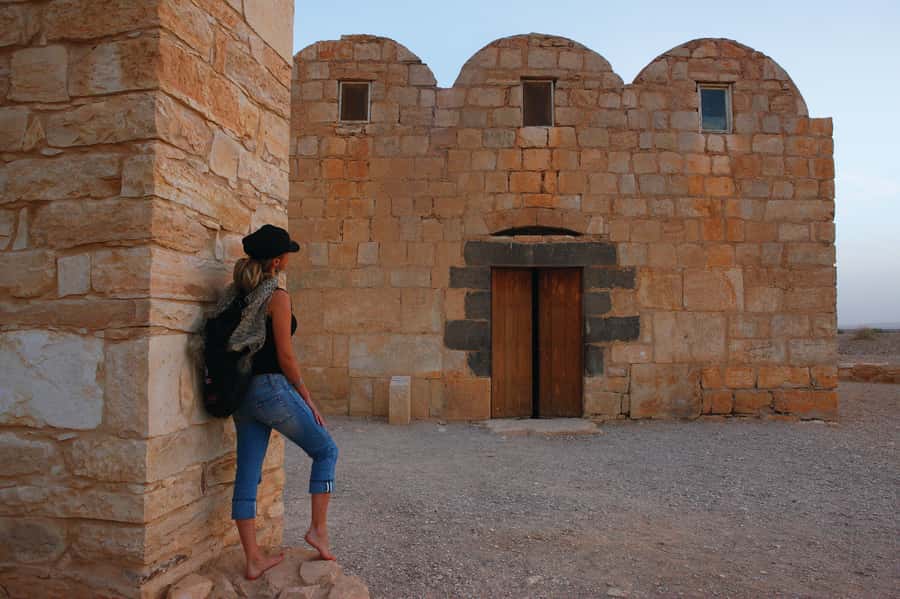
This is sold as a six-hour tour, but the time includes the journey from Amman into the Eastern Desert and back. You are not receiving six full hours inside archaeological sites.
That is not a criticism. The distance is part of the experience, and the tour makes a remote area manageable without requiring you to rent a car or plan the route yourself. You can use the drive to rest, ask questions, and watch the city give way to open desert.
The sites themselves are fairly quick to visit. One passenger finished early enough to continue on to Ma’in hot springs that evening. That makes this outing useful for a final day in Jordan or for a day when you want one major activity rather than a packed schedule.
On the other hand, the schedule may feel short for anyone who wants long, unhurried photography sessions or detailed archaeological study. The desert castles are spread out, and road time limits how long you can spend at each stop. Think of this as a strong introduction, not an exhaustive field visit.
The value of $82 per person
At $82 per person, the price is easiest to judge as a transport-and-entry package rather than as a guided museum tour. You receive round-trip hotel transfers, an air-conditioned vehicle, an English-speaking driver, entrance fees, and local taxes.
That saves you from arranging a car, navigating unfamiliar roads, buying tickets at multiple sites, and figuring out how to reach places outside Amman. For solo visitors, especially, the convenience can make the price reasonable. A private or small arrangement also gives you more control over pauses and questions than a large bus excursion usually would.
The value is weaker if you expect a formal guide to accompany you at every site. The tour’s included services list does not include a separate tour guide, and one passenger found the lack of sightseeing commentary frustrating. You are paying for access and transport first, interpretation second.
Several drivers have offered more than basic driving. Omar explained the history during the journey, Mohammed was praised for kindness and care, and Tasir was remembered for humor and helpful information. Those examples show the best version of the experience, but you should not assume every driver will provide the same depth.
Comfort, food, and what to bring
The air-conditioned vehicle is one of the tour’s strongest practical features. You will spend a fair share of the day on the road, so a comfortable car matters more here than on a compact city tour.
Food and drinks are not included. Bring water and a snack, particularly because the sites are outside Amman and the tour does not promise a restaurant stop. Some drivers may offer water, tea, or coffee, as one passenger experienced, but treat that as a pleasant extra rather than part of the published inclusions.
Pack:
- Comfortable walking shoes
- Sunglasses
- A sun hat
- Water
- A snack
- Sun protection suitable for your needs
The tour is not suitable for people with heart problems. The supplied information does not give a detailed accessibility assessment, so anyone with mobility concerns should ask before booking.
Who will get the most from this tour
I would recommend this outing to you if you have already seen Amman’s central sights and want a quieter, less predictable half-day. It suits people who enjoy ruins, early Islamic art, desert routes, and stories that connect Roman, Umayyad, and modern Jordan.
It is also a practical choice for solo visitors. Hotel pickup, a private-style vehicle, and a driver who manages the route remove much of the stress of reaching remote sites alone. A solo female passenger found the organization reassuring, and that is a useful point for anyone weighing independent travel in the Eastern Desert.
The tour works well for a final day because it returns you to Amman and does not require a hotel change. It can also fit travelers with an evening plan, though you should allow a sensible buffer in case pickup or road conditions shift the timing.
You may want another option if you need a full academic explanation, a fixed guide at every monument, or a very slow photography schedule. In that case, arrange a dedicated guide in advance and confirm exactly which castles will be visited.
Should you book the Umayyad Desert Castles tour?
Book it if you want to see a side of Jordan that many visitors skip, and if you value easy transport more than a formal guided lecture. Quseir Amra’s frescoes and Azraq’s black basalt fort give the day real variety, while the open desert makes the journey feel separate from the usual Amman circuit.
Before booking, confirm the pickup time and ask whether your assigned driver will provide historical commentary at each site. There was some early confusion about pickup for one booking, and the guide wording has caused different expectations. A quick confirmation can prevent both problems.
At its best, this is a comfortable, well-organized trip led by a thoughtful driver who turns a remote route into a memorable history lesson. At its most basic, it is reliable transport to several unusual ruins. For $82, that can still be good value, especially if you are traveling alone or do not want to rent a car.
FAQ
How long does the Umayyad Desert Castles tour take?
The tour lasts six hours, including transportation from Amman to the Eastern Desert sites and the return journey.
What sites are included?
The tour includes Quseir Amra and the black basalt fort at Azraq, along with other Umayyad desert structures described in the program.
Is Quseir Amra a UNESCO World Heritage Site?
Yes. Quseir Amra is a UNESCO World Heritage Site known for early Islamic frescoes and other interior decoration.
Is hotel pickup included?
Yes. Pickup and drop-off in Amman are included. You should wait in your hotel lobby for a driver holding a sign with your last name.
Is a tour guide included?
A professional English-speaking driver is included, but a separate tour guide is not listed among the inclusions. The amount of historical explanation can therefore depend on your driver.
Are entrance fees included?
Yes. Local taxes and entrance fees are included in the tour price.
Is food included?
No. Restaurants, food, and beverages are not included. Bring water and a snack.
What should I bring?
Wear comfortable shoes and bring sunglasses and a sun hat. Water and a snack are also sensible for the drive and time in the desert.
Just added in Amman
- 3 Days Private Tour in Jordan: Discover The Best of Jordan.★ 5.0 · 13 reviews
- Petra And Little Petra Full Day Tour From Amman★ 5.0 · 11 reviews
- 1 Day Tour to Amman Jerash and Ajloun castle★ 5.0 · 20 reviews
- Cave of the Seven Sleepers and Amman Islamic Sites Tour★ 4.5 · 21 reviews
- 4 Days Best of Jordan (Customizable)★ 5.0 · 22 reviews
- Private Petra and Wadi Rum Tour from Amman or Dead Sea★ 5.0 · 24 reviews
- 4-Day Excursion of Aqaba, Wadi Rum, Petra, King’s Way★ 5.0 · 20 reviews
- 4 days private tour in Jordan with pick up★ 5.0 · 21 reviews
Desert Castle Tours, compared.
Full-Day tour Amman city tour and desert castles
Read our review →
Private Tour of Desert Castles Eastern Jordan with optional Azraq Wetland Visit
Read our review →Browse the lists this tour appears in